How to Create a Cohesive Color Palette for Your Space
Creating a cohesive color palette is an effective way to enhance the overall aesthetic of your home. This article will guide you through the principles and practical steps for developing a color scheme that reflects your style and improves your space, based on expert recommendations and design standards.
Understanding the Basics of Color Theory
Color theory is a framework that designers and artists use to understand how colors interact. According to research in color psychology, colors can evoke different emotions and influence how we perceive our environment. For instance, cool tones like blues and greens can have a calming effect, while warm hues such as reds and oranges may stimulate energy. Understanding these principles can help you make informed choices when selecting colors for your space.
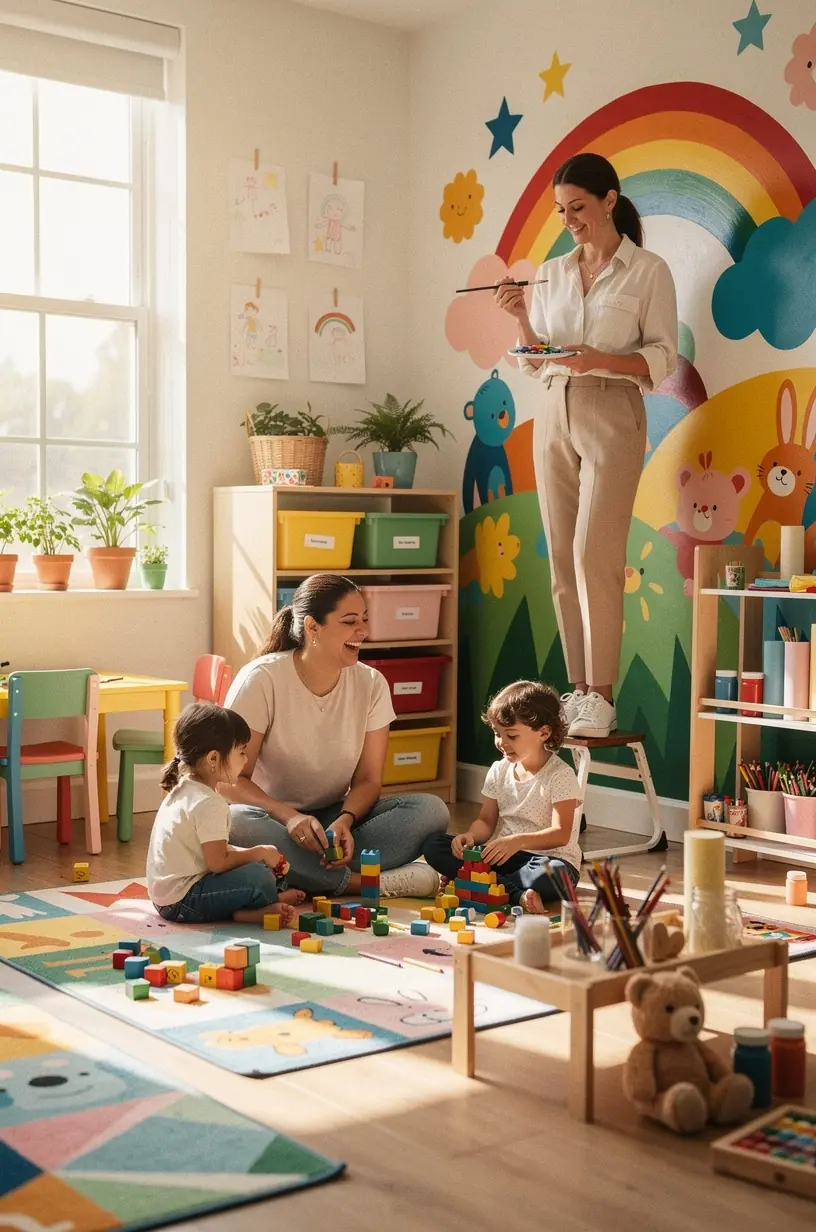
"The principle behind color theory is that certain colors complement each other, while others can clash. This knowledge is fundamental for creating a harmonious interior." - Interior Design Expert
Choosing a Base Color
Typically, choosing a base color is the first step in creating a cohesive color palette. This color is often neutral, providing a backdrop for other more vibrant shades. Many users report that using soft whites, grays, or beiges as a base helps to open up the space and allows for flexibility with accent colors. It's important to test your base color in different lighting conditions, as natural light will affect how the color appears.
Developing an Accent Color Scheme
Once you have your base color, the next step is to select one or two accent colors. These shades should complement your base color and can be used in furnishings, artwork, or decor items. Research indicates that using a color wheel can help simplify this process. For instance:
- Analogous colors: Choosing colors that are next to each other on the color wheel, such as blue and green, creates a serene look.
- Complementary colors: Using colors that are opposite on the color wheel, such as blue and orange, can add visual interest and energy to a room.
Incorporating Textures and Patterns
Adding textures and patterns is another way to create depth within your color palette. Experts recommend incorporating various materials, such as textiles, wood, and metals, to enhance the visual appeal of your space. For example, pairing a soft blue sofa with patterned cushions can add personality without overwhelming the room.
Testing Your Palette
Before committing to a complete transformation, it's wise to test your chosen colors in small areas. This phase typically takes 2-4 weeks, as it allows you to see how the colors work together throughout the day. Painting swatches on the wall or using large samples of fabric can help you visualize the final outcome. Keep in mind that colors may look different based on the surrounding elements and lighting.
Conclusion
Creating a cohesive color palette for your space is an ongoing process that involves careful consideration and experimentation. By understanding the basics of color theory, selecting a suitable base color, and thoughtfully incorporating textures and patterns, you can design an environment that feels harmonious and reflects your personal style. Remember, this journey may require patience and creativity, but the results can significantly enhance your living space.