Practical Steps for Maximizing Small Living Areas
Living in a small space can present unique challenges, but with the right strategies, you can create an inviting and functional environment. This article outlines practical steps to help you maximize your small living area, making it feel larger and more organized.
Understanding the Basics
Small living areas often require a different approach to styling and organization. According to interior design experts, utilizing space efficiently is key to creating a comfortable living environment. This typically involves strategic placement of furniture, effective use of colors, and thoughtful organization.
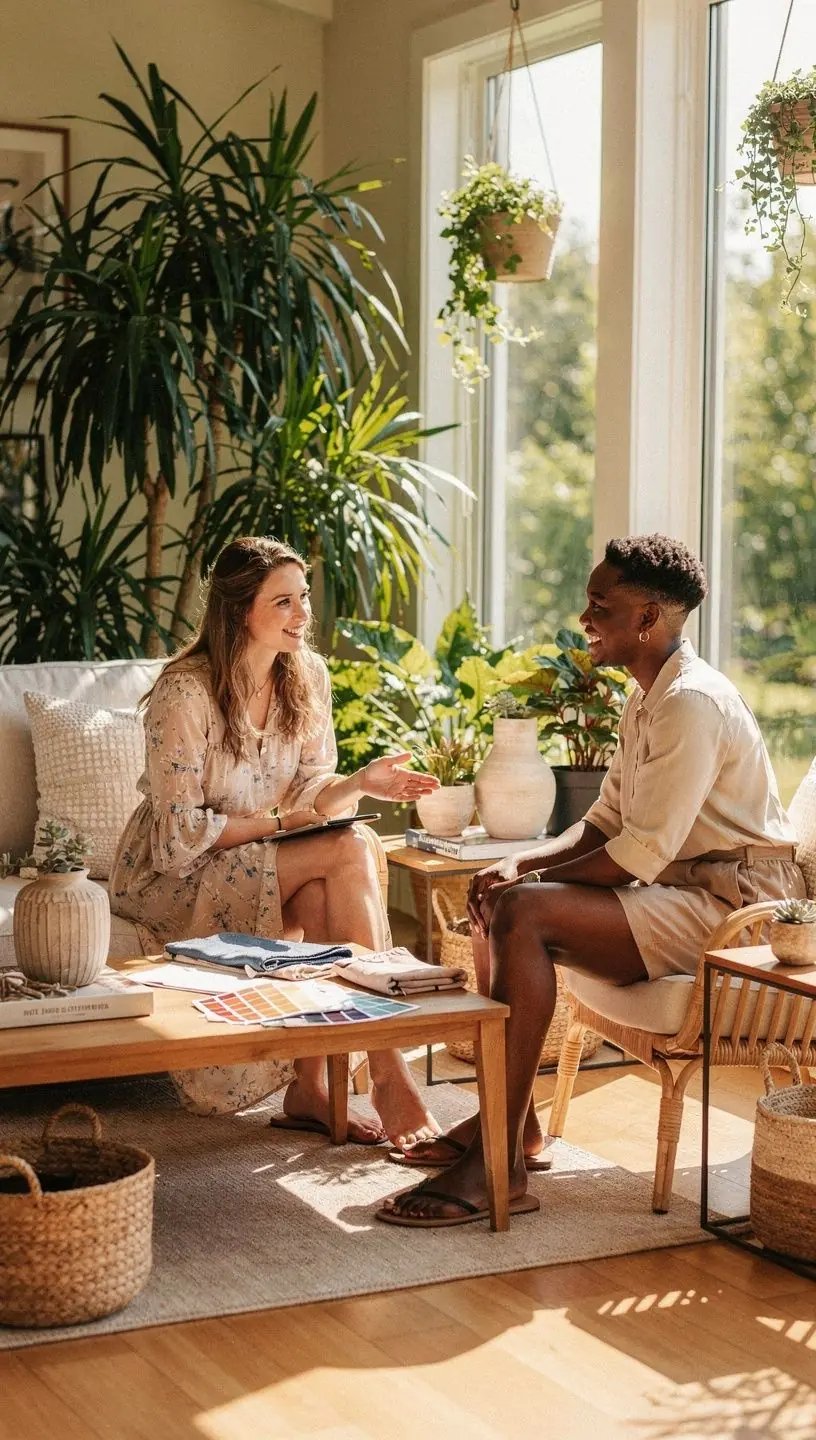
"Effective space management can enhance both functionality and aesthetics in small living areas." - Interior Designer
1. Choose Multi-Functional Furniture
One of the most effective strategies for maximizing a small living area is to invest in multi-functional furniture. Pieces that serve more than one purpose, such as a sofa bed or an ottoman with storage, can significantly increase utility without adding clutter. Many users report that this approach not only saves space but also enhances the overall design.
Why It Works
This works because multi-functional furniture reduces the need for additional pieces, which can overwhelm a small space. When selecting furniture, aim for items that fit your personal style while fulfilling practical needs.
2. Use Vertical Space Wisely
In small living areas, vertical space can be an underutilized asset. Installing shelves or wall-mounted storage can draw the eye upward and create the illusion of higher ceilings. Research indicates that using vertical space can also help keep floors clear, which is essential for maintaining a spacious feel.
Implementation Tips
- Install floating shelves for books and decorative items.
- Use tall bookcases to create height without taking up too much floor space.
- Consider wall hooks for frequently used items like bags or keys to reduce clutter.
3. Light and Color Choices
Light colors can often make a space feel larger and more open. According to industry standards, using a light color palette typically creates a cohesive look that enhances the perception of space. Experts recommend opting for neutral shades, as they can reflect light better than darker colors.
How to Use Color Effectively
To implement this strategy, consider painting walls in soft whites or light greys. You can also add color through accessories like cushions, art, or rugs, which can easily be changed out when you want a new look without requiring a complete overhaul.
4. Declutter Regularly
Decluttering is crucial for small living areas. Many users find that a regular decluttering routine, such as once a month, can help maintain an organized space. This typically involves evaluating items based on their utility and emotional value.
Steps to Declutter
- Set aside time monthly to review belongings.
- Group items by category (e.g., clothing, books, decor).
- Decide what to keep, donate, or discard based on usage and need.
Conclusion
Maximizing small living areas requires thoughtful planning and a willingness to adapt. By choosing multi-functional furniture, utilizing vertical space, selecting the right colors, and maintaining a decluttering routine, you can create a space that feels both comfortable and stylish. Remember, these strategies may take time and dedication to implement effectively, but many users find that the results are well worth the effort. Start with small changes today, and you’ll likely notice an improvement in both functionality and aesthetics in your home.