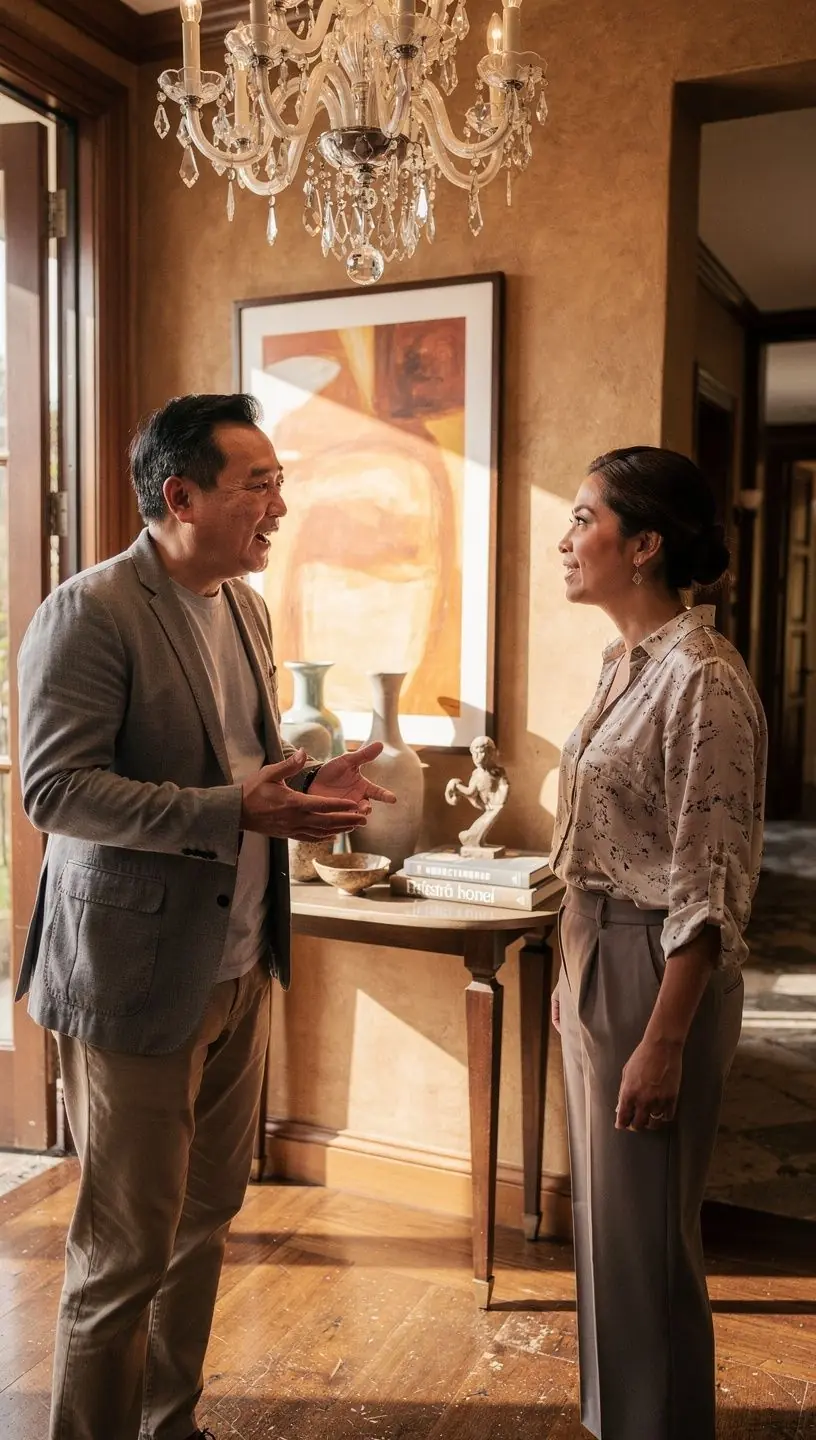
The Role of Textures in Interior Design Refresh
As seasons change, so do our design preferences. A thoughtful interior refresh can significantly impact our living spaces, and one of the most effective ways to achieve this is through the use of textures. In this article, we will explore the role of textures in interior design, providing insights into how they can create depth, warmth, and interest in your home.
Understanding the Basics of Texture in Design
Texture refers to the surface quality of a material and can be visual or tactile. According to experts in interior design, incorporating various textures is essential in creating a balanced and inviting space. This works because different textures can evoke different feelings and sensations, influencing the overall atmosphere of a room.

"Textures can dictate how a space feels and even how it functions. They are a vital element in any design refresh." - Design Expert
Creating Depth and Dimension
Incorporating multiple textures can significantly enhance the visual interest of a room. Here are some practical ways to do so:
- Layering Textiles: Combine materials like cotton, wool, and silk in cushions, throws, and rugs. Research indicates that layered textiles can create a cozy atmosphere, making spaces feel more inviting.
- Mixing Hard and Soft Elements: Contrast hard surfaces like wood or metal with soft fabrics. This approach can help to balance the aesthetics of a space, often making it feel more lived-in and comfortable.
- Utilizing Natural Materials: Incorporate materials such as stone, wood, or ceramics. These elements not only add texture but also contribute to a connection with nature, which many studies suggest can positively affect well-being.
Color and Texture: A Harmonious Relationship
The interplay between color and texture can also enhance your interior design refresh. Industry experts recommend selecting color palettes that complement various textures to create a cohesive look. Here’s how:
- Neutral Backdrops: Using neutral colors as a base allows textured elements to shine. This strategy often results in a sophisticated and timeless look.
- Accent Textures: Introduce textured accent pieces, such as a velvet chair or a woven basket, in bold colors to draw attention and create focal points.
- Consistency in Material Use: Consistency is crucial; using similar materials throughout a space can help tie the design together, making the textures work harmoniously.
Acknowledge the Limitations of Texture Integration
While the use of textures can significantly enhance your interior design, it's important to consider some limitations:
- Incorporating multiple textures typically takes time and effort, often requiring thoughtful planning and adjustment.
- Choose textures that are suitable for your daily living; for example, delicate fabrics may not be ideal in high-traffic areas.
- In some cases, too many textures can create a chaotic feeling, so maintaining balance is crucial.
Conclusion
Textures are not merely decorative elements; they play a vital role in shaping the experience of a space. By understanding how to effectively incorporate various textures into your interior design, you can achieve a seasonal refresh that enhances both aesthetics and functionality. While the process may require dedication and thoughtful consideration, the results can significantly improve your home environment, making it a more enjoyable and welcoming space for you and your guests.
Learn More